



auto car warranty insurance field-guide from the service bay

I work on cars and see policies meet reality. The phrase sounds simple, but it blends three different ideas: warranties, service contracts, and mechanical breakdown insurance. Knowing which one you're being offered is half the battle.

What professionals mean by the term

  • Manufacturer warranty: Built into new cars, limited by time and mileage.
  • Service contract (extended warranty): A contract that pays for covered repairs after the factory warranty ends; not insurance, but often sold at dealerships or by third parties.
  • Mechanical Breakdown Insurance (MBI): An actual insurance product in some states, underwritten by an insurer, covering specific mechanical failures.

Same goal - budgeting for big repairs - different rules, regulators, and claims workflows.

What it covers - and what it doesn't

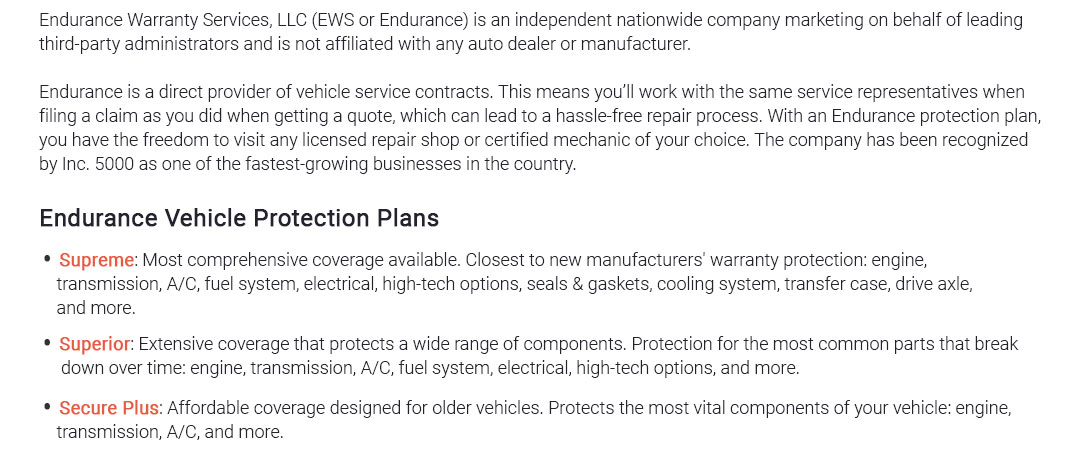
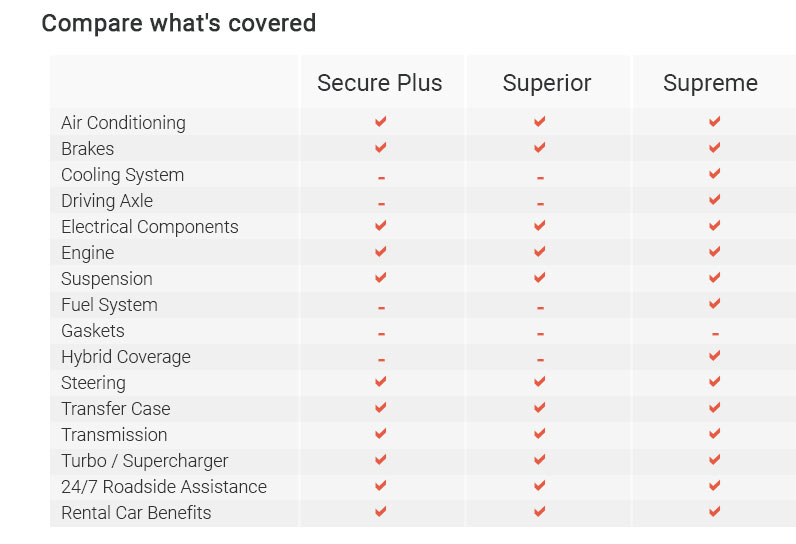
  • Covered (typical): Engine, transmission, drivetrain components, major electrical modules, AC compressors, steering racks, and some sensors.
  • Often excluded: Wear items (brakes, tires, wipers), routine maintenance, trim, glass, upholstery, and damage from neglect or unauthorized modifications.
  • Gray zones: Infotainment, ADAS sensors, hybrid batteries - coverage varies widely by provider.

I said "bumper-to-bumper" earlier in the shop - let me step back. Most contracts are exclusionary (they list what's not covered), which can look broad but still leave gaps. Read the exclusions twice.

Costs, terms, and timing

  • Price hinges on vehicle age, mileage, brand, and coverage tier. Longer terms and lower deductibles cost more.
  • Deductibles are usually per repair visit, not per component.
  • Some plans require factory maintenance intervals to be documented; miss them and claims get denied.
  • Cancellation is often prorated; transferability can boost resale value.

A real-world moment from the bay

Last winter, a client's 2017 Civic died 80 miles from home - water pump seized, serpentine belt shredded. Their MBI had roadside towing; one call, tow arranged, and the contract paid the pump, belt, coolant, and labor after a modest deductible. Two weeks later, a different driver with an aftermarket tune faced a similar failure; that claim was denied for modification-related risk. Same symptom, opposite outcomes - policy terms and vehicle history decided it.

How to evaluate your options

  1. Identify your need: risk smoothing for major failures, or a full convenience plan with towing and rental?
  2. Confirm the administrator and underwriter; solid names matter when parts are on the bench.
  3. Match term to ownership horizon; avoid paying beyond the time you'll keep the car.
  4. Choose a deductible you'll actually pay without delay.
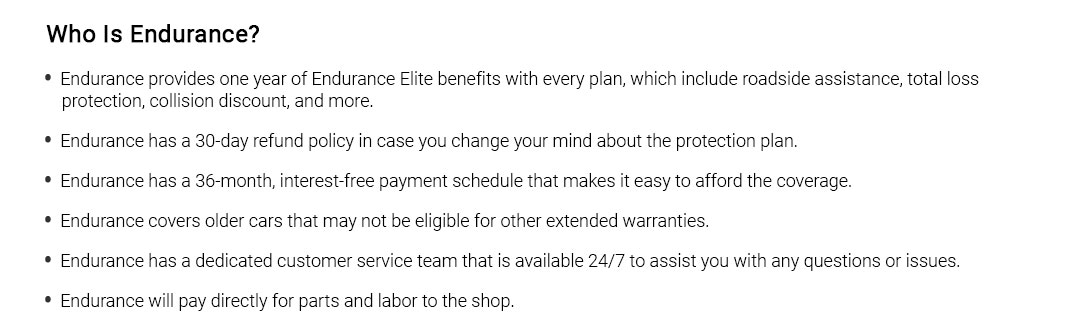
  5. Check shop choice: any licensed shop vs. network-only, and whether they pay the shop directly.

Contract mechanics that matter

  • Labor rate caps: If capped below local rates, you pay the difference.
  • Diagnostics: Not always covered; some reimburse only if a covered repair follows.
  • Betterment: Partial coverage if the repair "improves" the car beyond its prior state.
  • Consequential damage: If a non-covered part fails and takes out a covered one, some plans deny; better plans allow it.
  • Pre-authorization: Repairs usually need approval before work begins.

Claims workflow, simplified

  1. Document symptoms: photos, codes, and maintenance records.
  2. Have the shop call for authorization before teardown beyond diagnosis.
  3. Keep replaced parts until the claim closes; inspectors may request them.
  4. Verify what the deductible applies to and confirm any taxes/fees responsibility.
  5. Ask for the authorization number on your invoice.

Red flags I watch for

  • Mandatory add-ons (coolant "flush kits," sealants) to keep coverage valid.
  • Unreasonably broad exclusions like "any electrical failure" in modern cars.
  • Delayed pay practices that leave your car stuck on a lift.
  • Phone-only contracts with no specimen copy to review before payment.

Quick glossary

  • Exclusionary: Everything is covered except what's listed.
  • Stated-component: Only listed parts are covered.
  • Wear and tear: Gradual degradation - usually not covered unless specified.
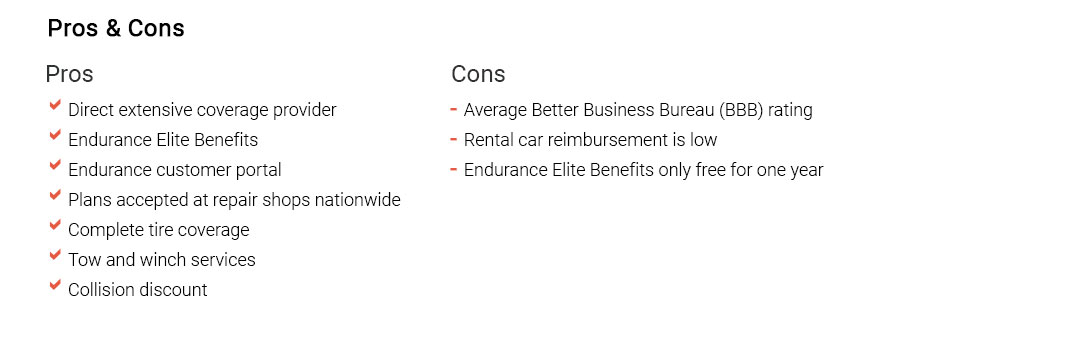
  • Roadside/rental: Valuable add-ons during multi-day repairs.

Final guidance

Match coverage to your car's risk profile and your tolerance for surprise bills. Verify who pays the shop, what labor rates they honor, and how diagnostics are treated. Keep maintenance current and records tidy; it's the fastest path to yes when something breaks. If a promise isn't in the contract, assume it doesn't exist - and ask for it in writing before you sign.

https://www.marketwatch.com/insurance-services/car-warranty/best-extended-car-warranty/
Best Extended Car Warranty Companies of 2025 - Endurance Best Comprehensive Coverage - autopom! Best Customer Service - Carchex Best Industry ...

https://www.zurichna.com/industries/auto/owners
You're investing more in your vehicle than ever before, and the traditional protections of manufacturers' warranties and auto insurance often simply aren't ...

https://carshield.com/
Auto Warranty - CarShield vs Dealership - Education ...


atwratnwm
4.9 stars -1985 reviews